“Menopausal mouth” is a nervous-system and immune signal tied to estrogen loss, vagal tone, and terrain shift.

Menopausal Mouth Isn’t a Dental Problem — It’s a Nervous System Signal
read more

“Menopausal mouth” is a nervous-system and immune signal tied to estrogen loss, vagal tone, and terrain shift.

A midlife woman with years of gut pain discovered the issue wasn’t food or IBS—it was a nervous system stuck in protection. A case story about terrain, safety, and reorganization.
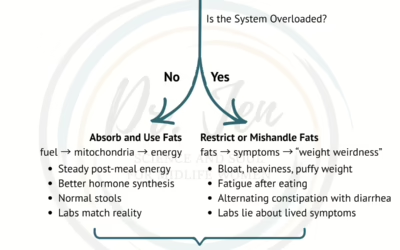
Most women don’t have a fat-burning problem in midlife. They have an immune-mediated absorption problem. When the nervous system signals overload, the gut restricts lipid uptake—stalling metabolism long before calories matter.

Dementia isn’t prevented with a late-life drug. It’s shaped in midlife—through sleep, metabolism, nervous system state, hormones, and vascular resilience. Midlife isn’t the problem. It’s the intervention window.
When old infections resurface in menopause, it’s rarely new exposure. Hormonal withdrawal shifts immune surveillance, triggering a terrain audit that revisits what was once contained.
Menopause immune changes are feedback. As estrogen withdraws, immune tolerance gives way to audit, reveals congestion, mis-timing, and unresolved terrain.